
3.4 / Scripture + your interpretation = your tradition
There's a difference between tradition and truth

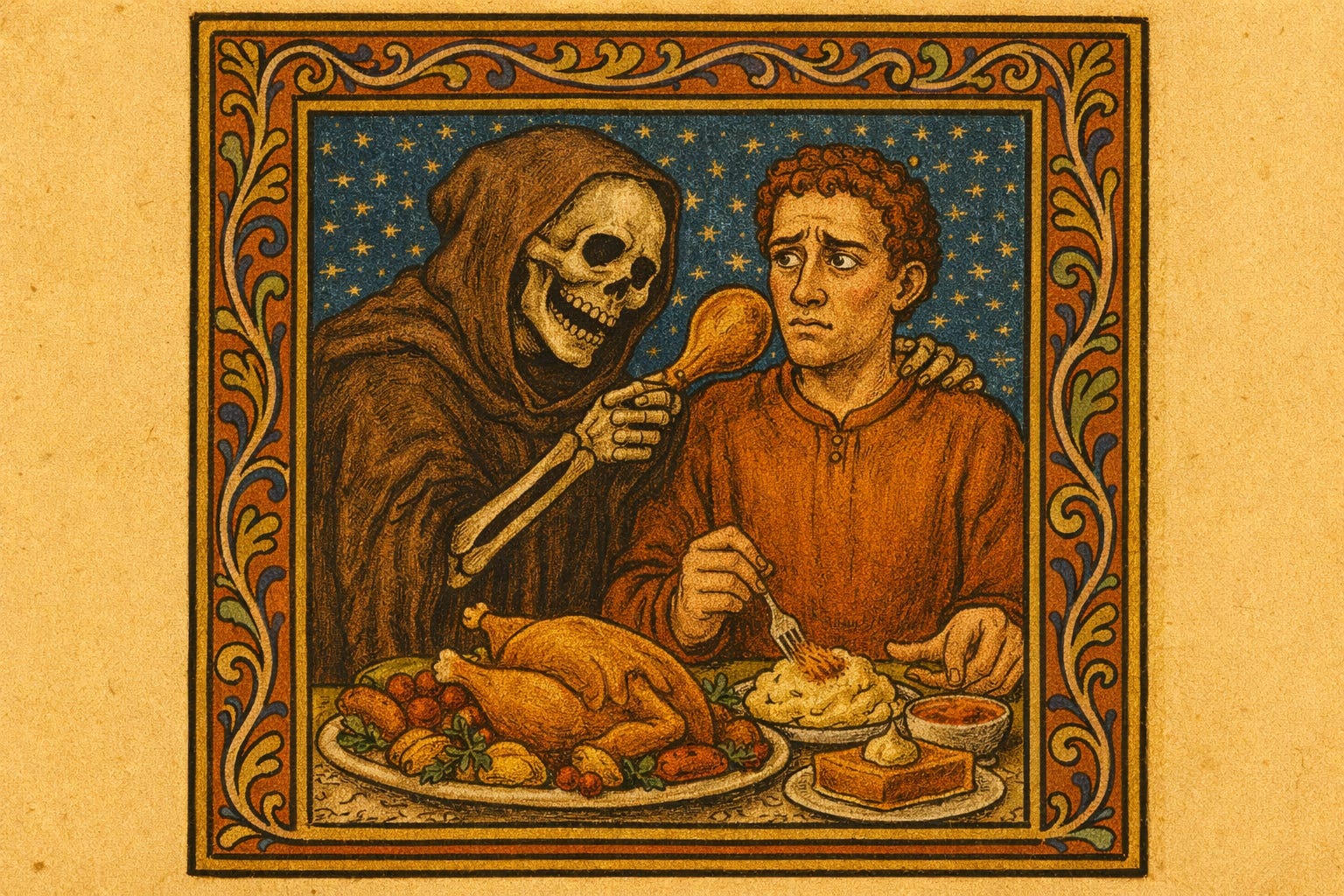
We all have traditions. Traditions are unavoidable, and in many cases they are good things. We have cultural traditions, family traditions, national traditions, holiday traditions and more. Is our goal to completely abandon tradition? That is probably an impossible proposition. I think our goal should be to clearly delineate the difference between tradition and truth. Why? Scripture + your interpretation = your traditions. Traditions are not inherently bad things. But when we hand traditions down as if they are truth, we create problems for those that come after us. It seems as though traditions are a part of how we make sense of the world and create safety and security within our lives and families. We all have beliefs and actions that have been handed down to us that we also hand down.
Interpretations are how we make sense of truth. And interpretations combined with truth in some way seem to create traditions. We all have interpretations. It’s how the human mind works. There’s nothing wrong with having interpretations. There’s nothing wrong with having traditions. Traditions are where we tend to get rules from. Proverbs 29:18 gives us this perspective that when we don’t follow rules, we run wild. But when we follow God’s law, we live a joyful life. Most of the traditions and rules that we create come out of our intention to live a good life. However, there is something wrong with doing what Pharisees do with traditions. Pharisees make their interpretation of truth more important than the actual truth.
The Pharisees were fond of using this term: “the traditions of the elders” when telling people what they were required to do. This sounds similar to the Catholic idea that we are saved not just by grace and faith. They believe that our salvation requires the following of “sacred tradition” that has been handed down through the centuries by church leaders. That’s why in the Protestant church there are“ordinances” and in the Catholic church there are “sacraments.” There are seven sacraments in the Catholic church; baptism, confirmation, the Eucharist (comunion), reconciliation (confession and penance), anointing of the sick, holy orders (ordaining priests, etc to serve the church) and marriage. Each of these sacraments have different requirements for different reasons. Baptism is something required by Catholicism for salvation of all Catholics. It’s one of the reasons why Catholics practice infant baptism. This tradition mostly comes from the interpretation of Church fathers like Origen and Augustine. Protestants believe that baptism is not required for salvation, and should be chosen once a person is old enough to make the decision. The Protestant tradition of baptism is different than the Catholic tradition of baptism. Catholics believe that if you are not baptized as a “sacrament” you are not saved. Protestants believe that baptism is important, but salvation is grace and faith alone. This thought may be an oversimplification for some Catholics who are reading this. Theologians have debated this for centuries and that’s not the topic of this book, but it is worth mentioning. Because where there is not Biblical clarity, interpretations are created. To paraphrase Jesus in his discussions with the Pharisees, He is trying to tell them - and us: “Don’t get so focused on your own traditions and rules that you miss what God actually wants.” Does God want infants baptized or people baptized when they are adults? Is that His focus or ours? God wants everyone to be saved and reunited with Him. I’m not sure how much he cares about our human traditions and interpretations. If we’re not careful, we can think that following traditions and rules is God’s desired outcome. Traditions, interpretations and rules are not bad things, but they can be dangerous. Because if we get too focused on them, they prevent God from doing what He actually wants to do in our lives.
I have a theory that no one actually likes Thanksgiving food. There’s a reason we only eat it one day a year, and that’s because it’s awful, and it’s a tradition. If we actually enjoyed things like stuffing, green bean casserole and cranberry “sauce” we’d probably eat it more often. I say “sauce” in quotes, because the majority of us eat congealed jelly from a can that we cut into disks and call it “cranberry sauce.” Think about the average American household on thanksgiving. It’s a bunch of people who don’t want to be together, eating food they don’t want to eat. Why do we do this? Because we have to. It’s called tradition. I have a personal definition for tradition: peer pressure from dead people.