

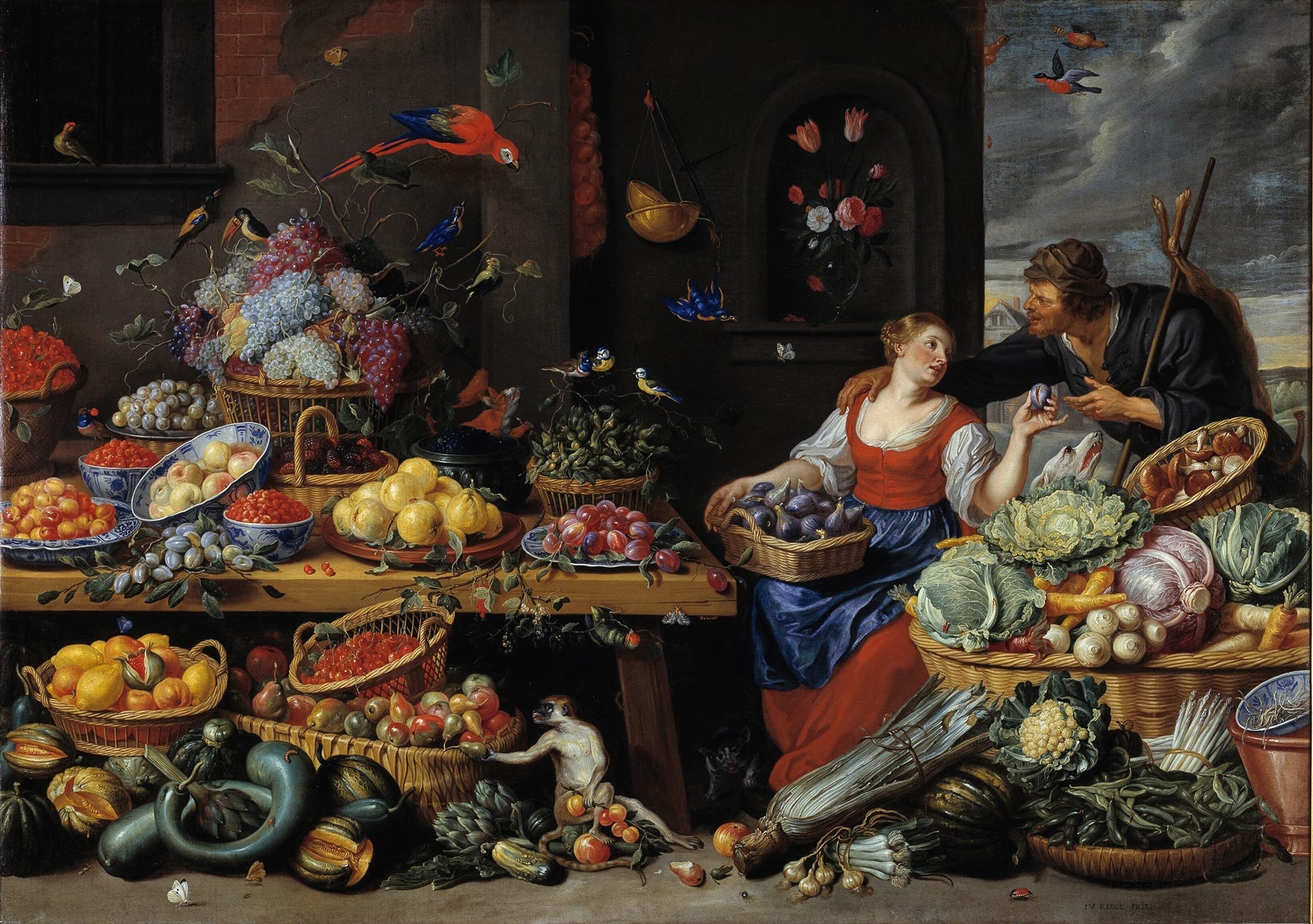
Results aren’t just how mathematical theories work, this is how life works. Each of us has theories about life. Your theories about life can also be called your philosophy. The life we live is the experiment that determines whether our philosophy has good results. Our philosophy is our criteria for making decisions. Our decisions have consequences. The consequences of our decisions are the evidence that our philosophy is good or bad, effective or ineffective. There are theories, traditions, beliefs and even dogma that we hold to as truth. What determines whether or not these things are true? What determines the soundness of a theory in physics? Whether or not reality aligns with the theory or breaks the theory. The same kind of thing determines the truth of our beliefs. If our experience with the theory leads to a positive outcome, or our theory is broken by the reality of life. How could a theory or philosophy we have be broken by life? Jesus calls the product of our decisions fruit:
15 “Beware of false prophets who come disguised as harmless sheep but are really vicious wolves. 16 You can identify them by their fruit, that is, by the way they act. Can you pick grapes from thornbushes, or figs from thistles? 17 A good tree produces good fruit, and a bad tree produces bad fruit. 18 A good tree can’t produce bad fruit, and a bad tree can’t produce good fruit. 19 So every tree that does not produce good fruit is chopped down and thrown into the fire. 20 Yes, just as you can identify a tree by its fruit, so you can identify people by their actions. (Matthew 7:15-20, NLT)
When Jesus is using the term false prophet, there is both a religious and practical definition. The religious definition is someone who teaches false doctrines in the name of God. Practically, a false prophet was someone who taught lies as if they were truth. Messianic claims were relatively common in the ancient world, so were cult leaders and all kinds of political figures. Many people will rightly use these verses to assess the fruit of another person’s belief system. That’s good, but it’s also doesn’t solve our real problem. The problem is not the false beliefs “out there” it’s the ones “in here.” Our lack of good outcomes in our own life is a result of the things we do – on-purpose or accidentally - that lead to bad outcomes. This is a product of our own false beliefs.
This reminds me of the main character Ricky Bobby in the movie Talladega Nights starting Will Ferrell. Early in the movie, his absentee father shows up and gives him one piece of advice: “If you ain’t first, you’re last.” He becomes a successful racecar driver but eventually loses everything after he crashes during a race with his rival. When he hits rock bottom, he reconnects with his father and says that statement guided his life. His dad says: “I was high when I said that, that doesn’t make any sense at all. You can be second, third, fourth…even fifth.” Ricky then says “what are you talking about?! I lived my whole life based on that, now what am I supposed to do?”
The danger of false prophecy is when we live our lives based on theories that someone told us, or we created for ourselves that lead to our downfall. A false belief may have come from someone else, but it was our choice to believe it and live our lives according to it. The fruit we have – or don’t have – in our life is a direct reflection of what we believe and therefore do.
This is why fruit matters more than opinion, argument, debates or traditions. In physics, its one thing to have a theory, its another thing to demonstrate the theory in the real world and have the evidence support your theory. In life its one thing to have a theory, its another thing to have fruit. It’s easy to argue theory, we can’t argue with fruit. Fruit is the visible and sustained results of a person’s beliefs. A person who has never been married before may have many good theories on marriage. A person who has been happily married for fifty years has good fruit in their marriage. The only effective way to measure whether what we believe is true – and leads to a good life, is by the results of decisions made according to those beliefs over a period of time. Jesus said thousands of years – lifetimes – ago, that we will know what works by the fruit of it. One of the problems that we have is that we only get one life, and it takes a lifetime to bear some fruit. By the time the fruit shows up, sometimes it can feel like its too late to go back and start over. We all have theories, and we know fruit takes time to develop. So how can we increase our chances of having fruit?
Over the long arc of history, truth has always been true and lies have always been lies. Sometimes it takes more time than we think. But lies are always eventually revealed as lies. And true things have always been true. Another way of saying something is true is if it produces fruit. Truth ultimately always leads to good outcomes. False prophets can fake a lot of things. They can be skilled and eloquent salesmen. They can be charismatic and likeable. They can even manufacture testimonials that show their “fruit.” Over a long enough period of time, all these smoke and mirrors can and will fade away. What will be left? The outcome of that individual’s choices. A person may say they value truth, but if they make decisions according to lies, they won’t have fruit.
Some people are just good at theory and equally bad at transformation. They are like the fat person at the gym with all the information on how to work out, criticizing the workouts of people who are in better shape than them. People do not respect this person at a primal level for one reason: Their theories do not lead to transformation. The first thing we must do is take advice, feedback and direction from people who have the kind of results we would like to have. If they have fruit, we should also be able to observe whether or not they have fruit in every area of their life. For instance, a person may have “good” fruit financially and be wealthy. However, if the philosophy used to gain their wealth was a “good” one, it would also lead to good fruit elsewhere. There are quite a few people who have plenty of financial fruit that also have no fulfillment, close relationships, or sometimes even family around them. They have sacrificed those things in pursuit of money.
This could create a problem. How can we ever know someone well enough to really know if they have fruit? This comes back to what we believe about truth. If we believe truth has always been true, and there have always been people who have lived according to it. Then we gain an advantage. We can see stories throughout history of people who have applied truth to their life and the fruit they have produced. We can investigate the past and see the outcome of a person’s beliefs and decisions. Whether that’s going all the way back to ancient history, or even our own family history. A farmer knows that if he plants an apple seed, he’ll grow an apple tree. He knows this because he isn’t the first farmer to plant a seed. All fruit works this way. Theories about life are like seeds. There are certain theories about life that have been consistently tested throughout history. These theories have also consistently produced the same kind of fruit. If we want that kind of fruit, we can do what those before us did with those theories. There is always room for experimentation with theories of our own. This is another duality.
History tells us not to reinvent the wheel. That doesn’t mean that no one has ever tried. The reason history tells us not to reinvent the wheel is because when something works and has always worked, it will probably keep working. I’m sure many people have tried to invent a square wheel, and they think they are the first people to try. This isn’t necessarily true. People who try to invent a square wheel are common, and therefore not usually worth remembering. The trash heap of history is littered with foolish ideas, theories and perspectives that only lead to failure. Experimentation, innovation and even invention are always necessary. Failure is a prerequisite for experimentation. Sometimes we will get it wrong. There are times where we will have theories and ideas about life that don’t produce fruit. There is nothing wrong with that phenomenon. In fact, it’s necessary.
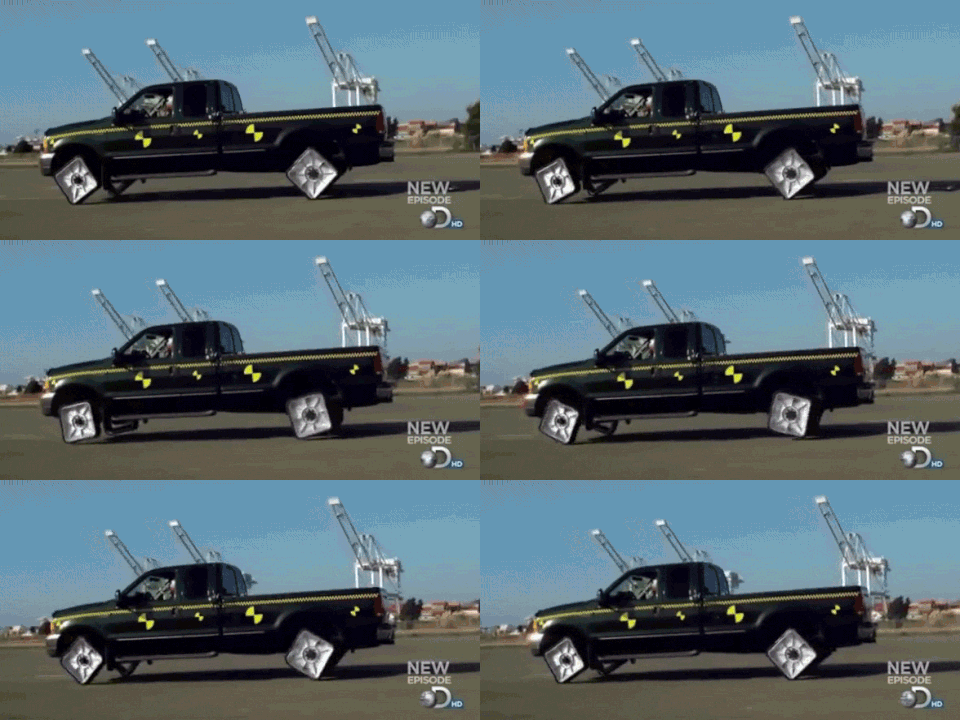
Imagine driving a car with square wheels. Every time the wheel turned over, it would rise and drop. The bicycle would not have enough power to move you forward quickly. You would violently bounce. The engine would be working overtime to basically lift the car up each wheel corner instead of rolling forward. In addition, things like your suspension, axles and frame would take repeated shocks and fail relatively quickly. There are not very many people who would even try this experiment. What would be the reason to try? A person can learn a lot of great lessons from experimenting with wheel shapes.
Observing the difference between a car with square wheels and circular wheels can show us how good of a solution a circular wheel is. Often, the right way of doing something is proven by comparison. Observing this comparison also teaches us why and how the principles of motion work in a much more tangible way. By trying a square wheel, we can easily see what makes a circular wheel better. Experimentation and failure are necessary.
The willingness to experiment means that we want to go beyond what we know and explore our beliefs. Failure exposes us to where we have false beliefs that do not produce fruit. Failure isn’t a problem unless we don’t learn from it. Designing and testing a square wheel may waste some time, but lessons can still be learned. True failure is when a person decides to use a square wheel in their everyday life to “prove” that they have a better way. We should test our theories, but then be willing to abandon them if they do not produce good outcomes. We should also not attach our ego to our theories so deeply that we are not willing to abandon them when a better way reveals itself.
Fruit is fruit! Cannot hide it…. Its exists or it doesn’t!